ADVERTORIAL


My Doctor Said My Back Pain Was "Wear and Tear." A Rehab Specialist Disagreed

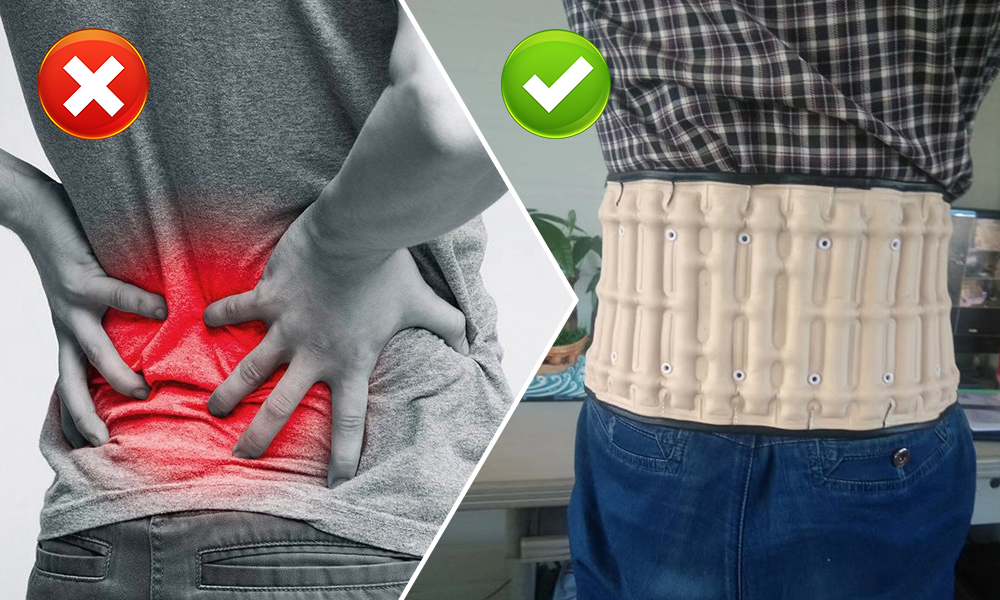
It started as a tight feeling in my lower back.
I figured I had just slept in a bad position.
At first, it would come and go. Nothing serious. But over time, it didn't go away anymore.
Within a few months, simple things started to feel… off.
Standing too long would make my lower back ache. Sitting for a while made it stiff when I got up. And bending down? I had to move slower, more carefully.
The worst part wasn't sharp pain.
It was this constant discomfort—like something in my lower back just wasn't working the way it used to.
My doctor glanced at the scan and shrugged.
"Wear and tear," he said. "Pretty common after 45."
His advice?
Stay active, avoid sitting too long, and do some light stretching.
To be fair, it wasn't bad advice. But at that point, it didn't really solve the problem either. Because even normal daily movement already felt uncomfortable.
So like a lot of people, I just tried to live with it.
The Conversation That Changed Everything

A few months later, I brought it up while grabbing coffee with an old acquaintance of mine — a retired rehabilitation specialist who had spent years helping people recover from chronic back issues.
He listened for a moment… then shook his head.
"Your back isn't just aging," he said. "It's under constant pressure." That caught me off guard.
He went on to explain something I had never really thought about before.
Your lower back—especially the lumbar spine—takes on most of the load from your upper body every single day. Sitting, standing, walking… it all adds up.
When one part weakens or stiffens, the rest of the chain starts compensating… and that's when pain shows up.
Suddenly it made sense.
Why Random Stretches Can Sometimes Backfire
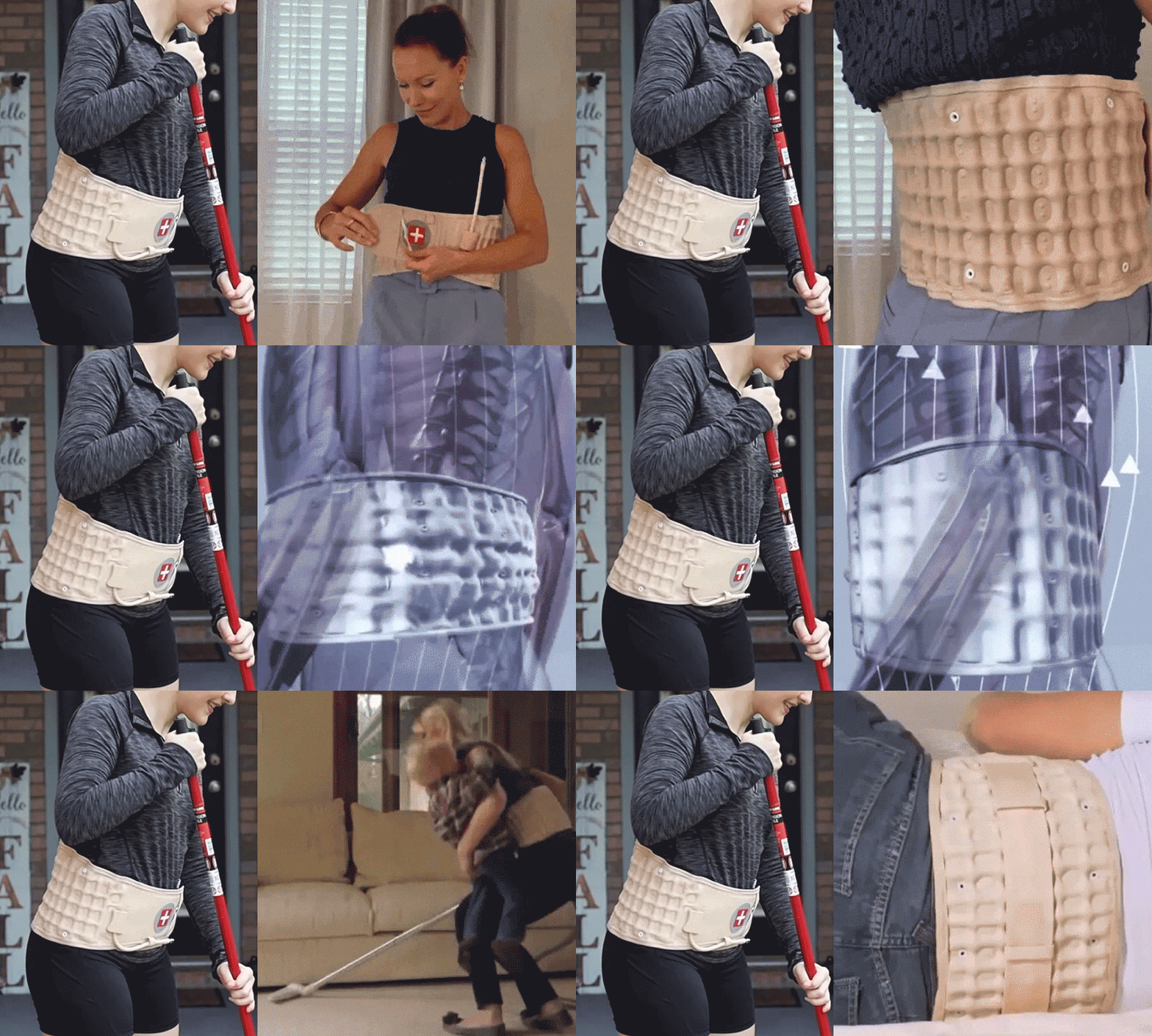
I asked if I should just look up a few stretches online and try to work it out myself. He shook his head almost immediately.
"One of the most common mistakes," he said, "is doing random stretches without understanding what's actually going on."
He explained that when your lower back is already under pressure,
forcing certain movements—especially bending or twisting—can sometimes make things feel worse.
Not because movement is bad…
but because the underlying pressure hasn't been addressed yet.
"If the spine is compressed," he said,
"stretching alone doesn't always solve the problem."
What your body often needs first is relief from that constant load—so the muscles can relax, and movement starts to feel natural again. That made a lot more sense than just "stretch more and hope for the best."
"You Don't Have To Go To The Clinic Anymore"
So I asked the obvious question.
"Do I need to start going to physical therapy?"
He smiled—like he'd heard that question a hundred times before. I already knew what that would involve.
Multiple appointments every week.
Driving across town.
Scheduling around everything else.
And the costs that add up over time.
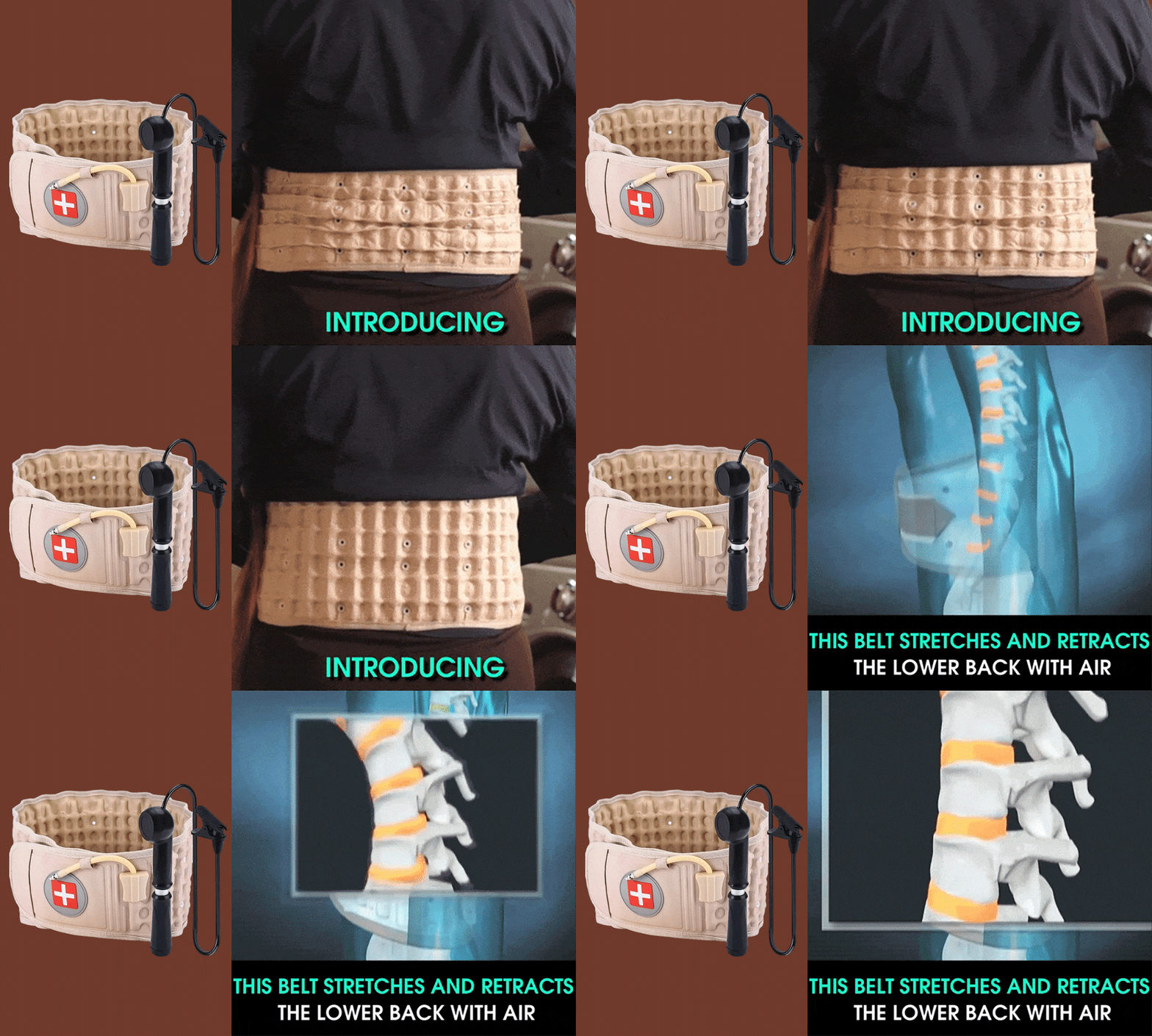
For a lot of people, that kind of routine just isn't easy to maintain. Then he said something I didn't expect.
"You don't always need to rely on clinic visits," he said.
"Sometimes, what makes the biggest difference is what you do consistently at home."
That's when he showed me something called Fanyil™ Decompression Belt.
My Honest First Impression
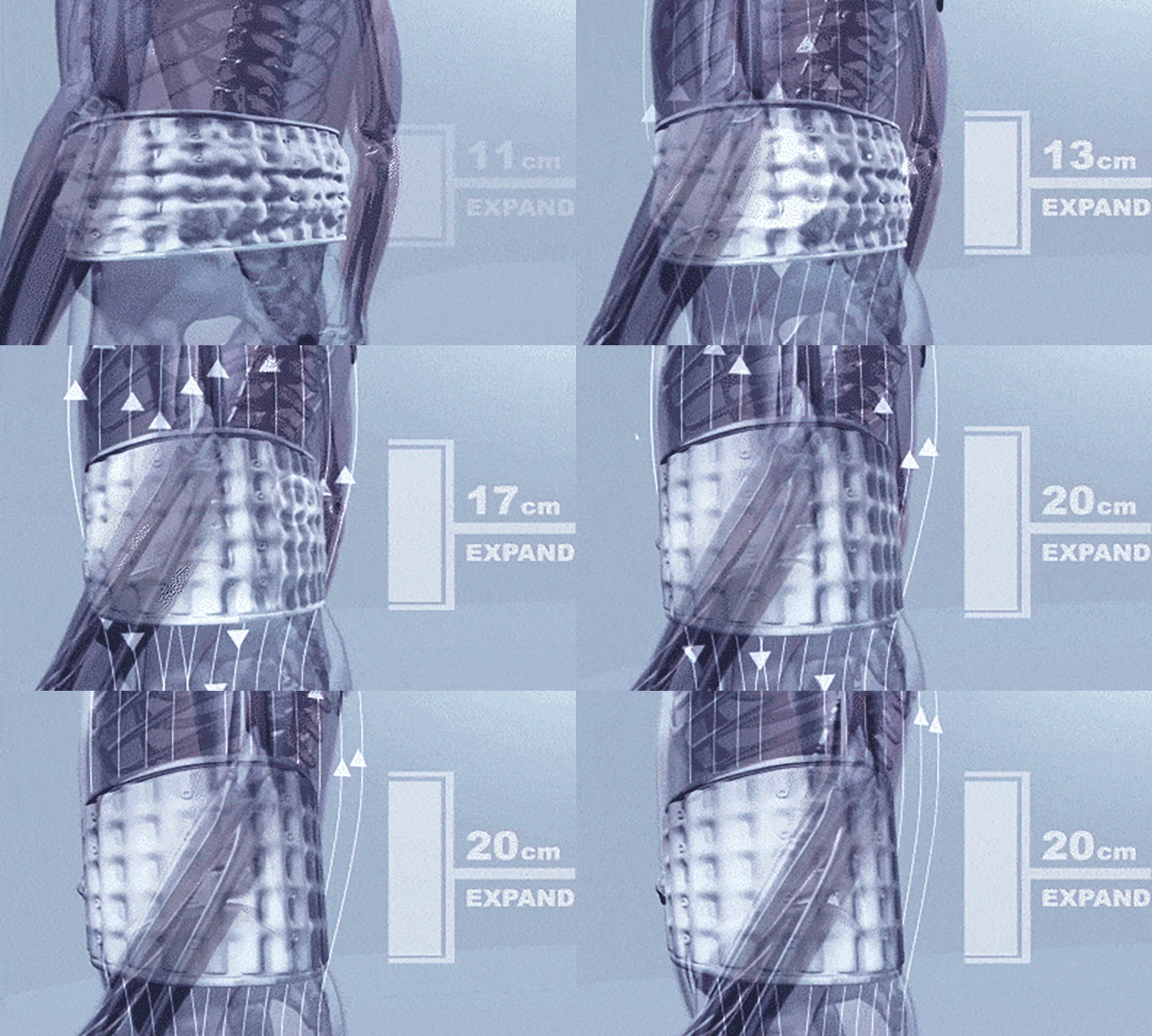
When the Fanyil™ Decompression Belt arrived, I'll admit—I wasn't expecting much. I've tried back supports before. Most of them either felt too stiff, too bulky… or ended up sitting unused after a few days.
But this felt different the moment I put it on. It wasn't just "supporting" my back. As I gently inflated it, I could feel a light upward lift around my lower spine—
subtle, but noticeable.
Within about 10–15 minutes, that constant, tight pressure in my lower back started to ease.
Not dramatically.
Not like the pain just disappeared.
What Makes the Decompression Belt Different
Most people assume lower back pain comes from "tired muscles" or simple overuse.
But he explained that for many people—especially as they get older—the issue is often something different: not just fatigue, but constant pressure and lack of proper support in the lower spine.
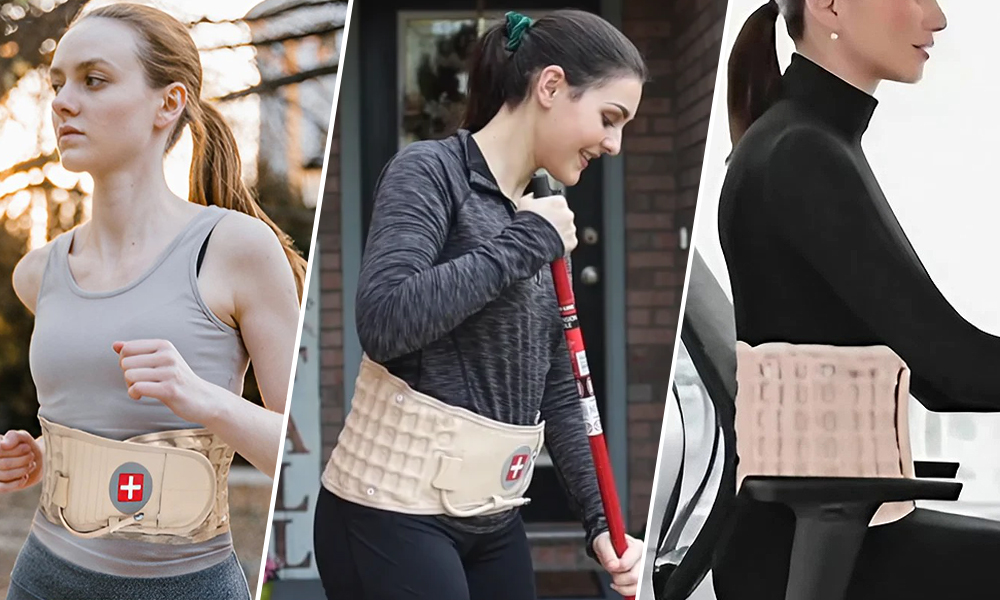
He used a simple analogy that stuck with me.
Think of your spine like a compressed spring. If it's under pressure all the time without a chance to release, everything around it starts to compensate—and that's when discomfort builds up.
That's where this approach felt different. Instead of forcing movement or focusing on the surface, the idea is to reduce pressure first, so the body can naturally settle and function more comfortably.
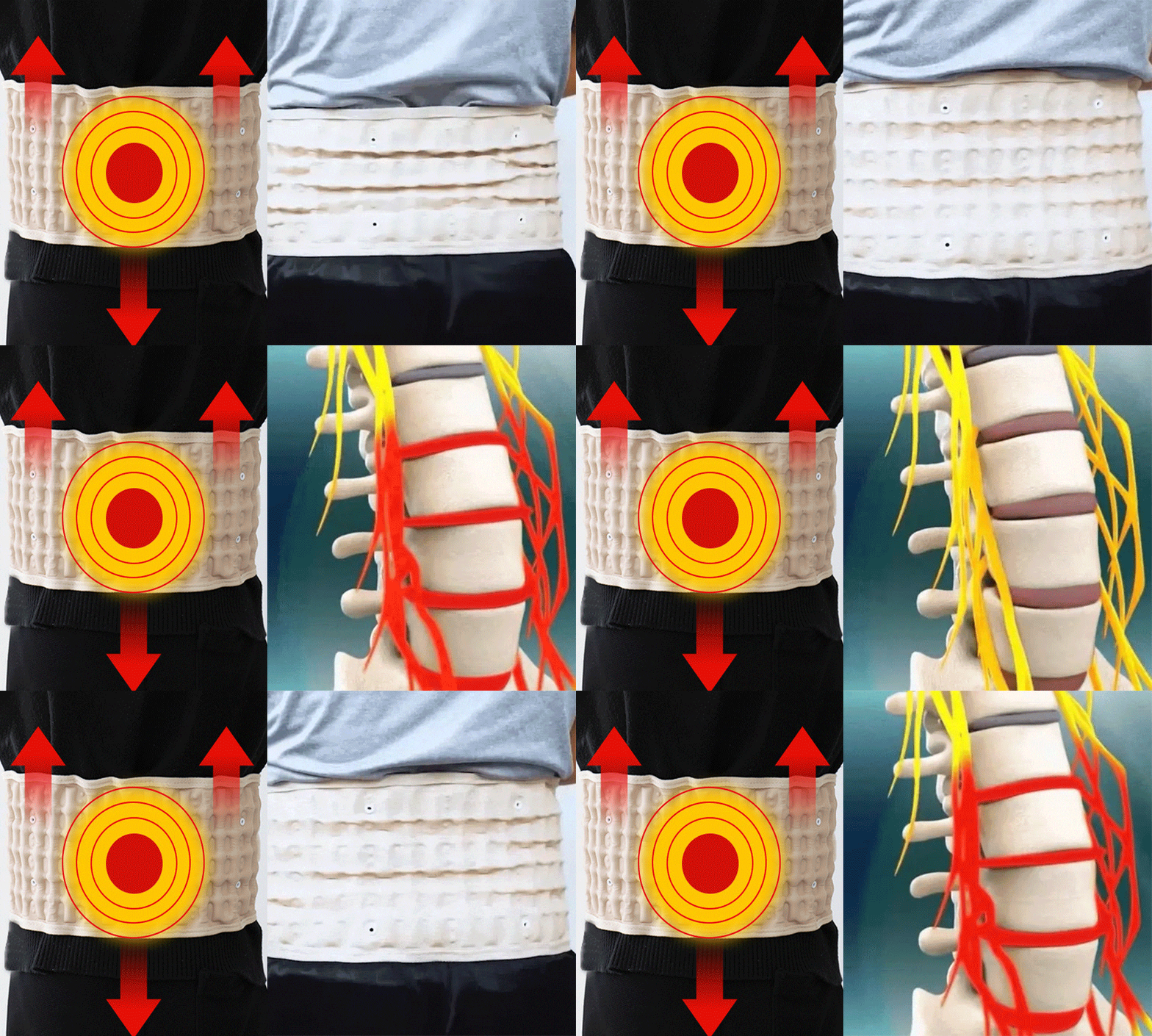
✔️ Gentle Spinal Decompression: When the belt is inflated, it creates a light lifting support around the lower back, helping reduce the load on the lumbar area and allowing the spine to feel less compressed.
✔️ Multi-Directional Traction Support: The upward lift and downward support work together to gently stretch the spine, helping relieve tension, improve circulation, and ease pressure on nerves.
✔️ 360° Structured Support: The design wraps around the waist to stabilize movement, support the natural curve of the spine, and ease the load on surrounding muscles and ligaments.
✔️ Targeted Pressure Relief: By creating a subtle decompression effect, it helps reduce stress on discs and vertebrae—while supporting better nutrient flow and flexibility in the spine.
✔️ Encourages Better Posture Naturally: With consistent support, it becomes easier to maintain a more neutral and upright position, which helps reduce unnecessary pressure from slouching or poor alignment.
✔️ Helps You Stay Comfortable Longer: By easing pressure and supporting the lower back, it can make sitting, standing, and moving feel more manageable throughout the day.
How It Helps the Problems Many People Over 50 Face
Based on feedback from many users, these are some of the most common improvements people notice with consistent use.
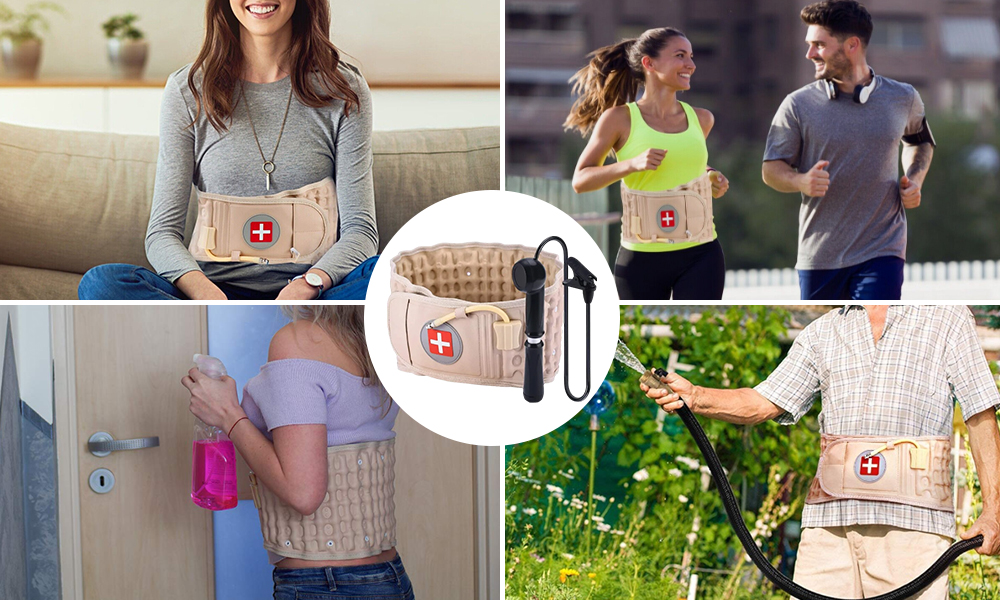
• Morning Stiffness
Using the belt in the morning helps gently "open up" the lower spine and ease that stiff, restricted feeling—making it easier to start the day.
"Finally, a morning without the 'morning rust'..."
"I'm 67, and for the last decade my first 20 minutes every morning felt like I had to slowly ‘warm up' my lower back just to stand upright. I started using the Fanyil™ Decompression Belt for about 15 minutes with my morning coffee, and while it didn't feel dramatic at first, I noticed my back felt less locked up and easier to straighten, and now I can start my day without that usual stiffness holding me back."
— Robert H., Florida
• Lower Back Strain
It helps reduce pressure around the lumbar area, making movement feel easier and more stable during daily activities.
"I can move freely again!"
"It sounds like a small thing, but when even simple movements like bending or standing up used to cause sharp discomfort in my lower back, you start to lose confidence in your own body. With the Fanyil™ Decompression Belt, my lower back feels less under pressure, and I can move more naturally again without constantly thinking about pain."
— Margaret T., Arizona
• Sciatica Discomfort / Nerve Pressure
It helps reduce pressure on the lower back area, supporting more comfortable movement and easing that "tight, tingling" feeling some people experience.
"The constant tingling finally eased up."
"I had a persistent tight, tingling feeling coming from my lower back that made sitting and walking uncomfortable. With the Fanyil™ Decompression Belt, my lower back feels less compressed, and over time that discomfort has noticeably reduced, letting me move through my day more easily."
— Linda S., Ohio
• Deep Lower Back Tightness
It helps reduce pressure in the lumbar area, easing deep-seated tension and that "knotted" feeling in the lower back.
"Better than a $100 massage."
"I used to spend a lot on massages trying to relieve the constant tightness in my lower back, but the relief never really lasted and the stiffness would always come back after a short time. The Fanyil™ Decompression Belt is different because I can use it every evening at home while I'm relaxing, and it helps take pressure off my lower back in a way that feels steady and consistent, like I don't have to keep chasing temporary relief anymore."
— James L., Texas
Designed for "Our" Generation
I know you're like me—you don't want complicated gadgets or anything that feels like a chore to use. That's why the Fanyil™ Decompression Belt stands out.
• No Setup Stress
No apps, no Bluetooth, no complicated instructions—just put it on and use it.
• Simple to Use
Easy-to-adjust design so you can get comfortable quickly without figuring anything out.
• Hands-Free Support
Worn around the lower back so you can sit, read, watch TV, or relax while it gently supports your spine.
• Non-Drug Support
No pills, no chemicals—just a simple way to help take pressure off the lower back naturally during daily use.
The Cost That Surprised Me
When I first looked into treatment options for lower back pain, I was honestly surprised.
Physical therapy in the U.S. can easily run around $150–$200 per session.
Once or twice a week over several months?
That quickly adds up to thousands of dollars—not to mention the time, travel, and scheduling.
That's part of the reason more people are starting to look for at-home solutions they can use consistently.
After trying it myself, I decided to check what the Fanyil™ Decompression Belt actually costs.
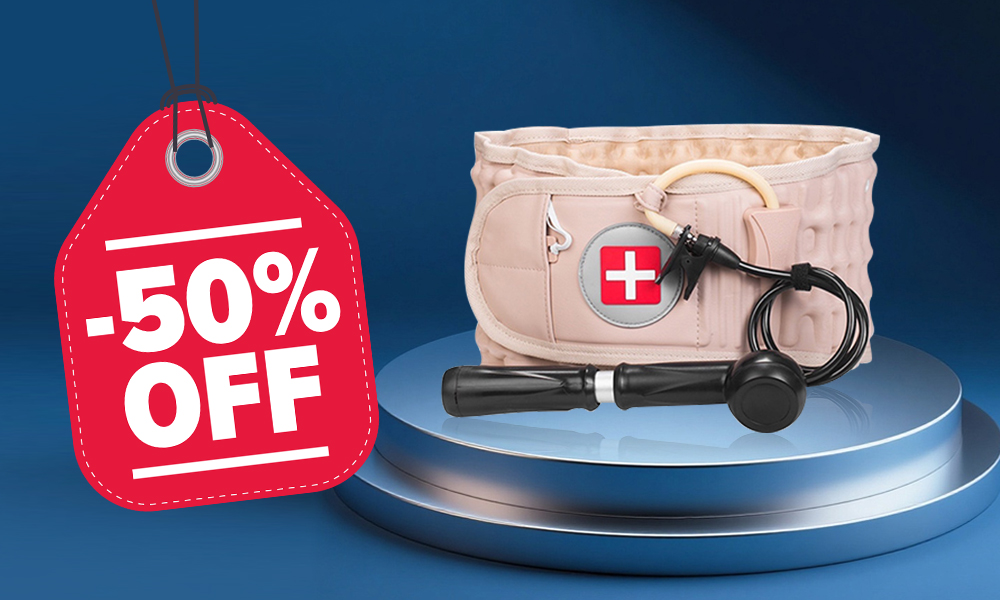
Right now, they're offering it for $69.99 as part of a promotion.
That's less than the cost of a single therapy session.
They're also offering a 30-day home trial, so people can try it and decide if it works for them.
I'm not saying every back issue is the same.
But if you've been told your discomfort is just "part of getting older," it might be worth exploring options that focus on reducing pressure and improving support, instead of only managing symptoms.
For me, understanding how constant pressure affects the lower spine completely changed how I look at back discomfort.
And the Fanyil™ Decompression Belt has become something I reach for whenever my lower back starts to feel tight or overloaded again.